









![10 Best Floor Lamp for Reading [2026 Review]](http://www.homebaa.com/cdn/shop/articles/banner_c990b0a4-4743-4902-b6be-5609f7a21a90.webp?v=1766393057&width=400)



![How to Choose the Coffee Table Height? [2026 Newest Guide]](http://www.homebaa.com/cdn/shop/articles/coffee-table-height_2a1fd127-359f-4d5f-9ac1-3b232c7092a9.webp?v=1788166652&width=400)


No products found
Related Categories
FAQ
EXPAND MORE
Why choose Homebaa office stools?
Choosing a Homebaa office stool means choosing an office experience that combines comfort and quality. We pay attention to every detail, from the ergonomic seat angle to the stable and durable base structure, all of which have been carefully designed and rigorously tested to allow you to remain relaxed and stable during long hours of work. The high-density sponge and non-slip fabric provide just the right sense of support, and the appearance covers a variety of styles from minimalist modern to industrial style, which can be easily integrated into different office scenes. We are also committed to environmentally friendly manufacturing, using sustainable materials and processes to contribute to creating a healthier office space.
Why use an office stool as your work seat?
Office stools offer unique benefits that traditional chairs can't match. They promote movement through moderately dynamic sitting postures that strengthen core muscles, improve blood circulation, and reduce health risks associated with prolonged sitting. Their flexibility comes from lightweight designs that allow quick transitions between different work areas, particularly suitable for collaborative environments requiring frequent movement. Space efficiency is another key advantage—compared to traditional office chairs, smaller office stools free up valuable space in crowded workspaces and create more open office environments.
Which type of office stool is best for you?
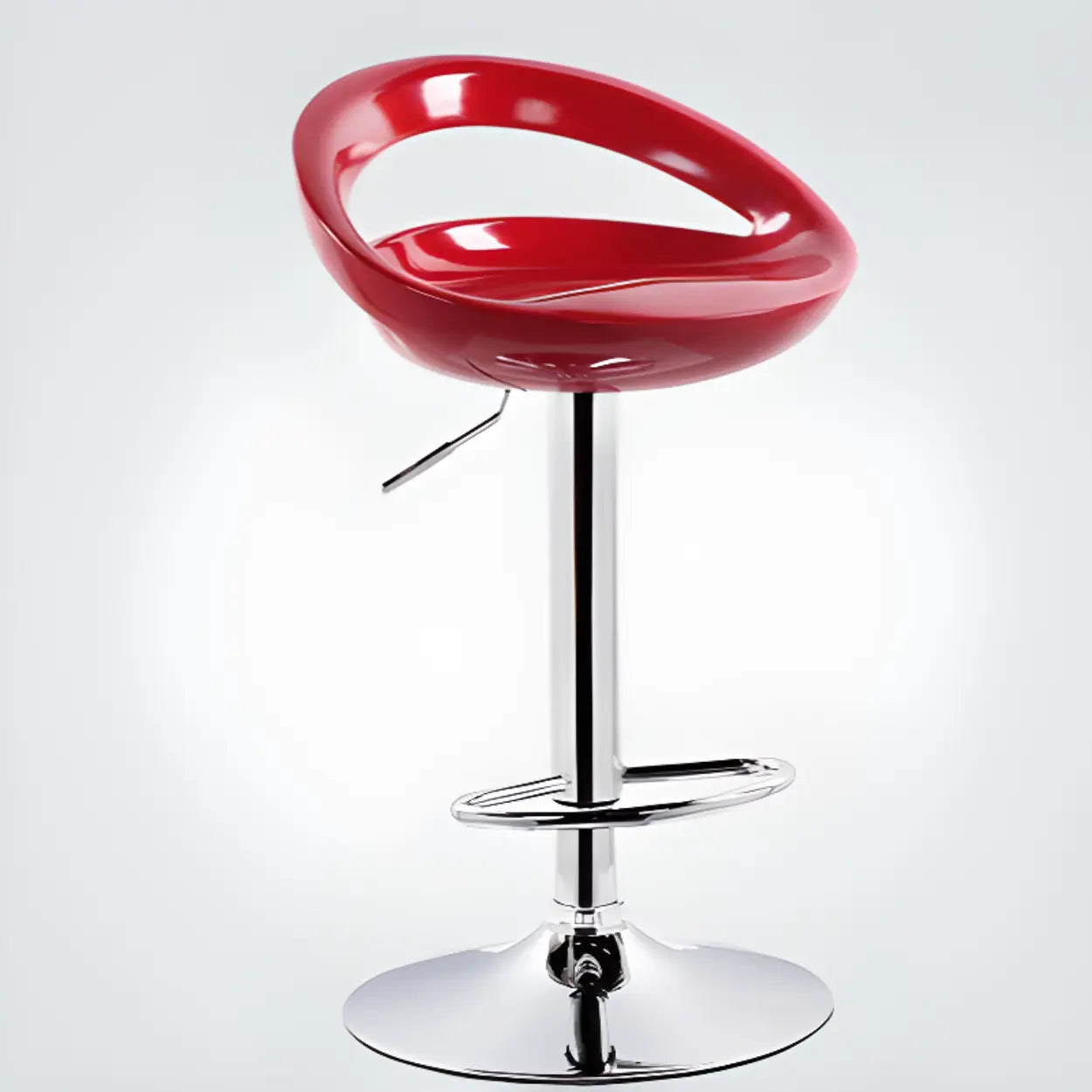
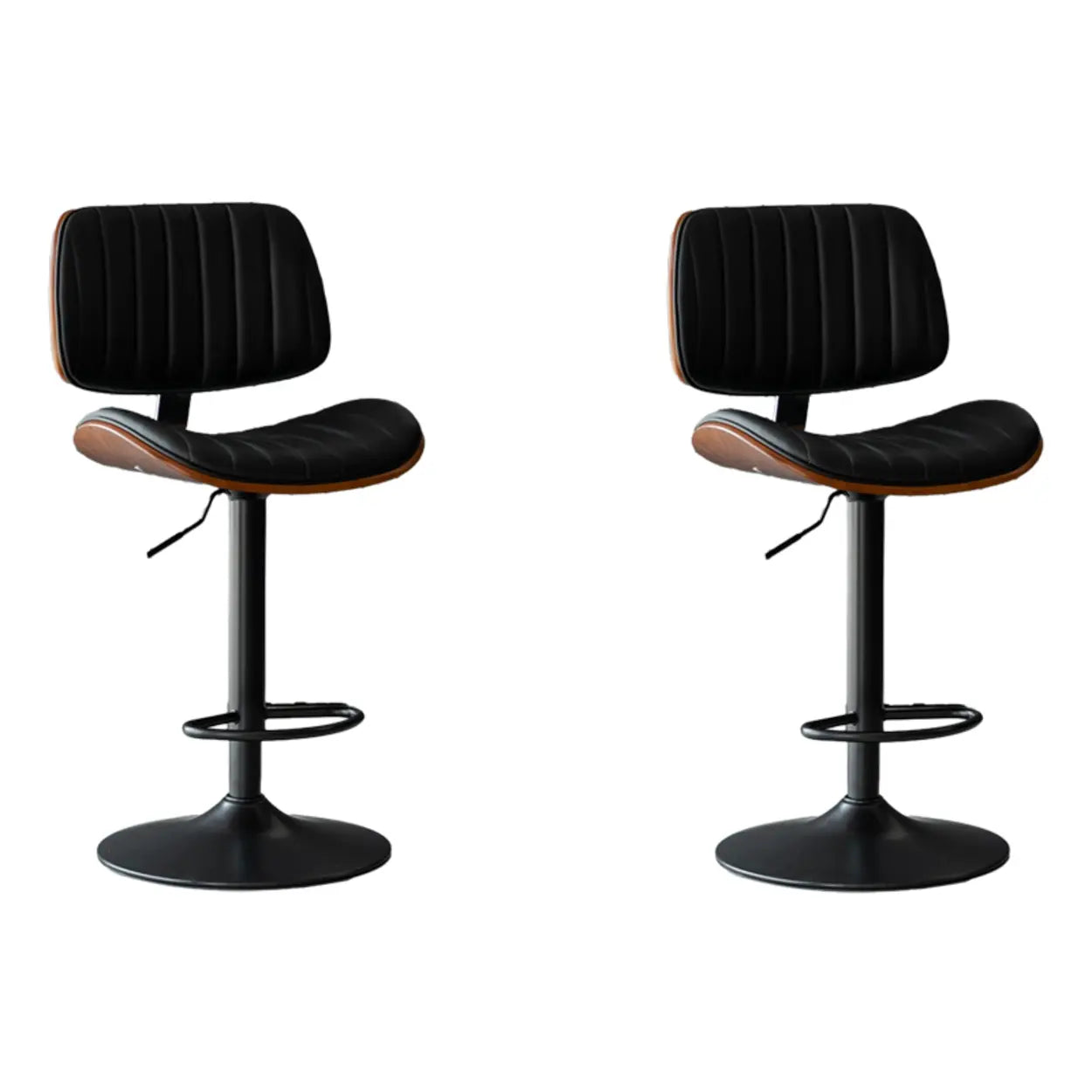
Stand-sit work: Choose bar stools with adjustable heights that pair with height-adjustable tables for easy transitions between standing and sitting positions. Creative collaboration spaces: Consider movable stools with wheels for impromptu discussions, promoting team interaction and creative meetings.
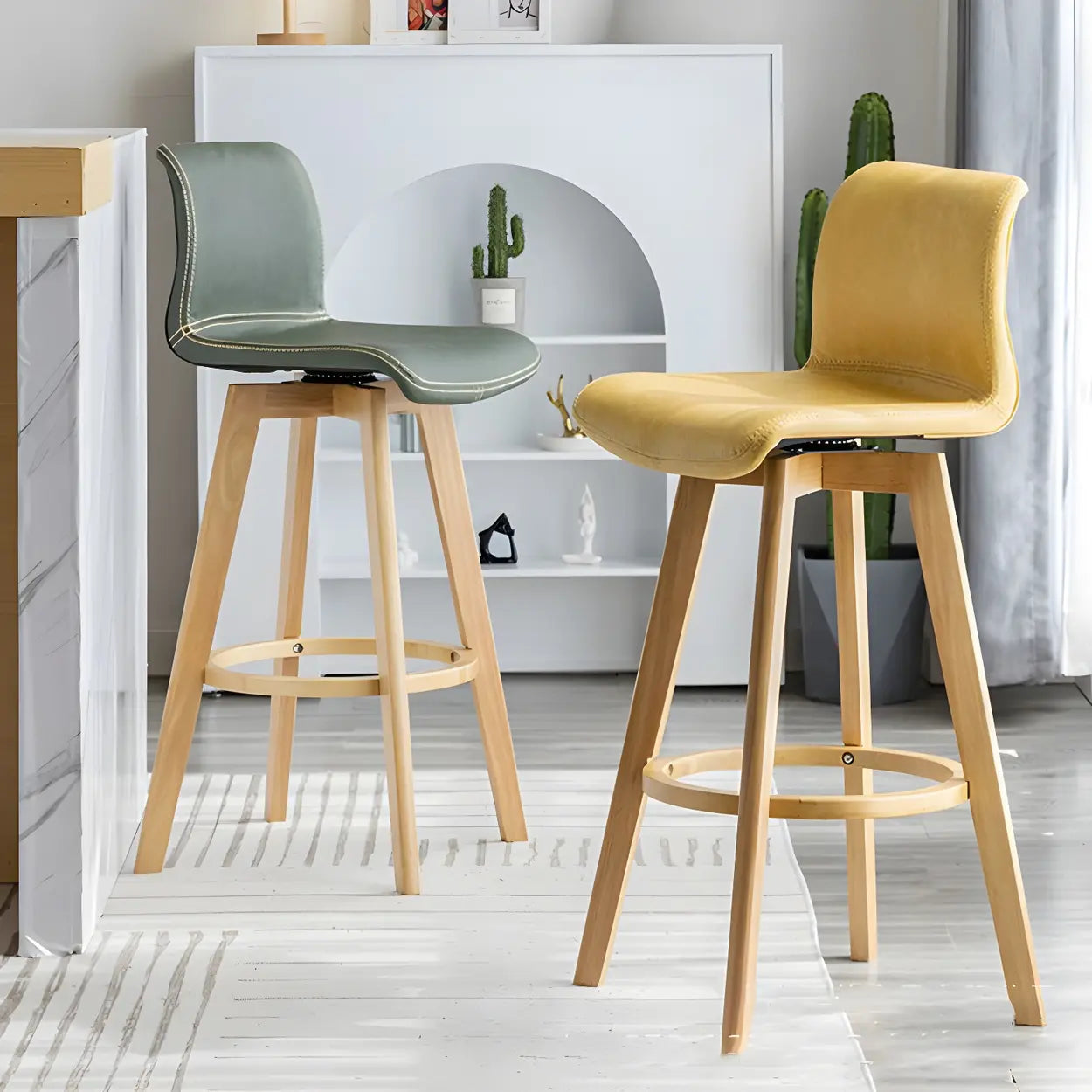
Long-term use: Prefer ergonomically designed stools with backrests and soft cushions that provide mobility without sacrificing basic comfort. Multi-purpose areas: Lightweight, stackable office stools work best for training rooms or multi-purpose spaces, saving storage space when not in use.
How do office stools improve productivity and health?
Promote Better Posture
Many stools feature rocking bases or ball-style seats that encourage active sitting, helping align the spine naturally and reduce slouching.
Enhance Focus
Gentle body movements while sitting stimulate brain activity, which can boost concentration and alertness—ideal for tasks that require sustained attention.
Reduce Fatigue
Micro-movements relieve muscle tension and prevent stiffness, making it easier to stay comfortable and productive for longer periods.
Encourage More Movement
Taller stool designs make it easier to shift between sitting and standing, supporting the habit of regular movement throughout the day—something many health experts recommend.
EXPAND MORE